

Choosing a French Door Threshold Replacement
Thresholds are essential to smooth uneven gaps at the bottom of doors. They also provide all-year-round protection from bugs, draughts and water. A lowered threshold also provides security for pushchairs, wheelchairs, and more seamlessly connects indoor and outdoor spaces.
When advising your customers on the options for their french door thresholds it is important to understand the different options that are available.
Weathered
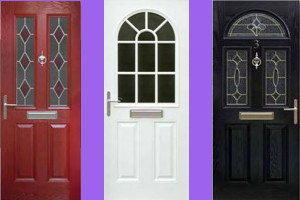
The threshold of an exterior door is an essential element of any door system, offering protection from the elements and a seamless transition between indoor and outdoor space. When deciding on the threshold for an exterior door it is essential to find a balance between safety and design. While they are essential to protect your home from weather, thresholds also play a vital role in user safety. They help prevent tripping as well as limiting accessibility for those with mobility issues. There are many threshold options that allow customers to pick the one that is suitable for their home.
A weathered threshold is a great option for doors on the outside, since it provides exceptional weather protection and also creates a solid barrier that keeps the elements of wind, water and draughts out. This type of threshold can be recessed or sunk into the floor leaving an upstand of 14mm, reducing tripping hazards while leaving an effective seal against the elements. replacement french door are recommended for all exterior doors as they provide greater levels of weatherproofing than non-weathered options. The higher elevation of thresholds with weathered coatings may cause them to be unsuitable for certain users, especially those with wheelchairs or pushchairs/prams.
Unweathered thresholds are typically smaller in height, with many just a few millimetres higher than the ground, meaning they are less likely to present any tripping risks. They also offer an easier transition between outdoor and indoor spaces, allowing you to connect the two in an open and connected way. Although they may not be as weatherproofed as a weatherproof option, they are ideal for homeowners who want to enhance the appearance of their home without sacrificing security or functionality.
If your French doors are currently equipped with an unweathered threshold or planning to replace them, a new threshold is a simple do-it-yourself project that can help to smooth uneven gaps at the bottom of doors and also protect against water ingress and drafts. It is possible to fit a new threshold to an existing sill, but the threshold that was previously installed will need to be removed first. To take off the old sill, you need to place the flat bar between it and the subsill. Carefully pry up the middle section. If the ends of your threshold are secured into place, you can use a hammer to pry them away from the jambs. After removing the threshold then sand it and clean off any mortar residue. Before reinstalling the threshold, it is recommended to spray expanding foam sealant under it to hold it in place and plug any air gaps.